
Crop Management
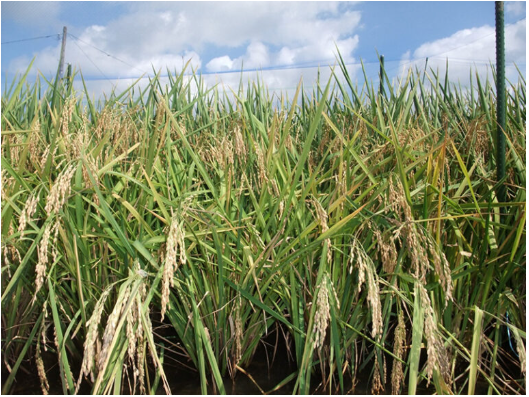
Crop management practices for the safe use of salt-affected soils and saline water primarily consists of growing suitable salt-tolerant crops, managing seedbeds, and grading fields to minimize local accumulation of salts, soil management, improving irrigation efficiency and soil, water, and salinity monitoring for assessing leaching and drainage requirements. As crop management greatly influences pests and their natural enemies at the local scale and that consideration of the farming system is not always the most relevant approach, several recent studies have focused on crop management variables and landscape configuration to understand insect pest or natural enemy dynamics.
Disciplines
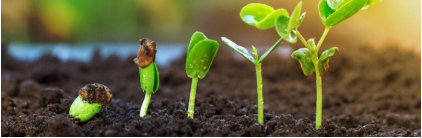
- Agronomy
- Soil Science & Agricultural Chemistry
- Environmental Science
- Agro Forestry
- Crop Physiology
- Agricultural Engineering
- Biochemistry
- Animal Husbandry
Laboratory Facilities
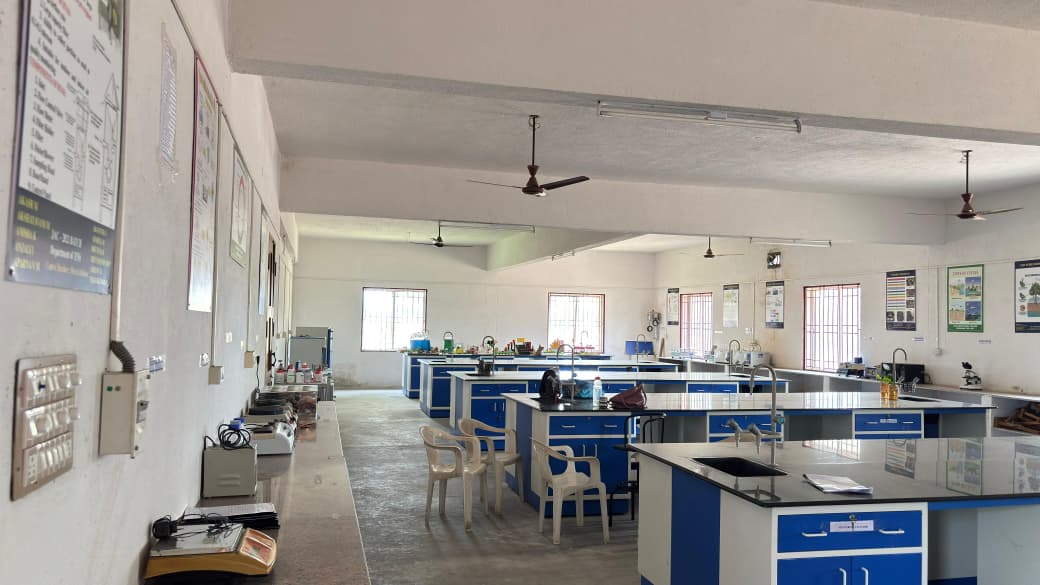
Environmental Science Lab
Modern analytical facility focusing on water quality analysis, soil-plant-pollutant interactions, meteorological assessments, and ecological impact studies.
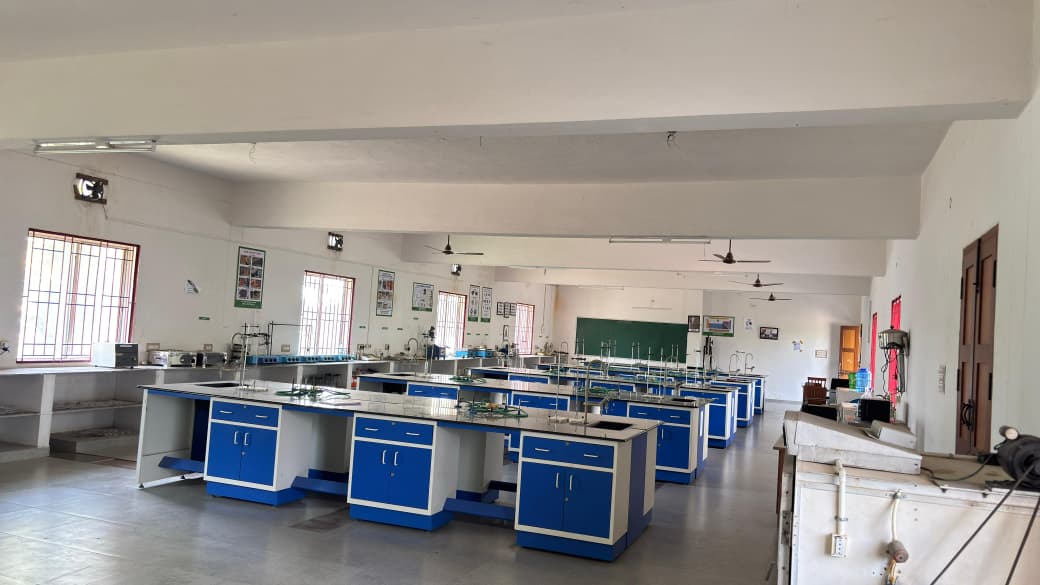
Soil Science Lab
Advanced analytical laboratory equipped for macro and micro-nutrient profiling, soil chemical properties assessment, and testing soil health indicators.
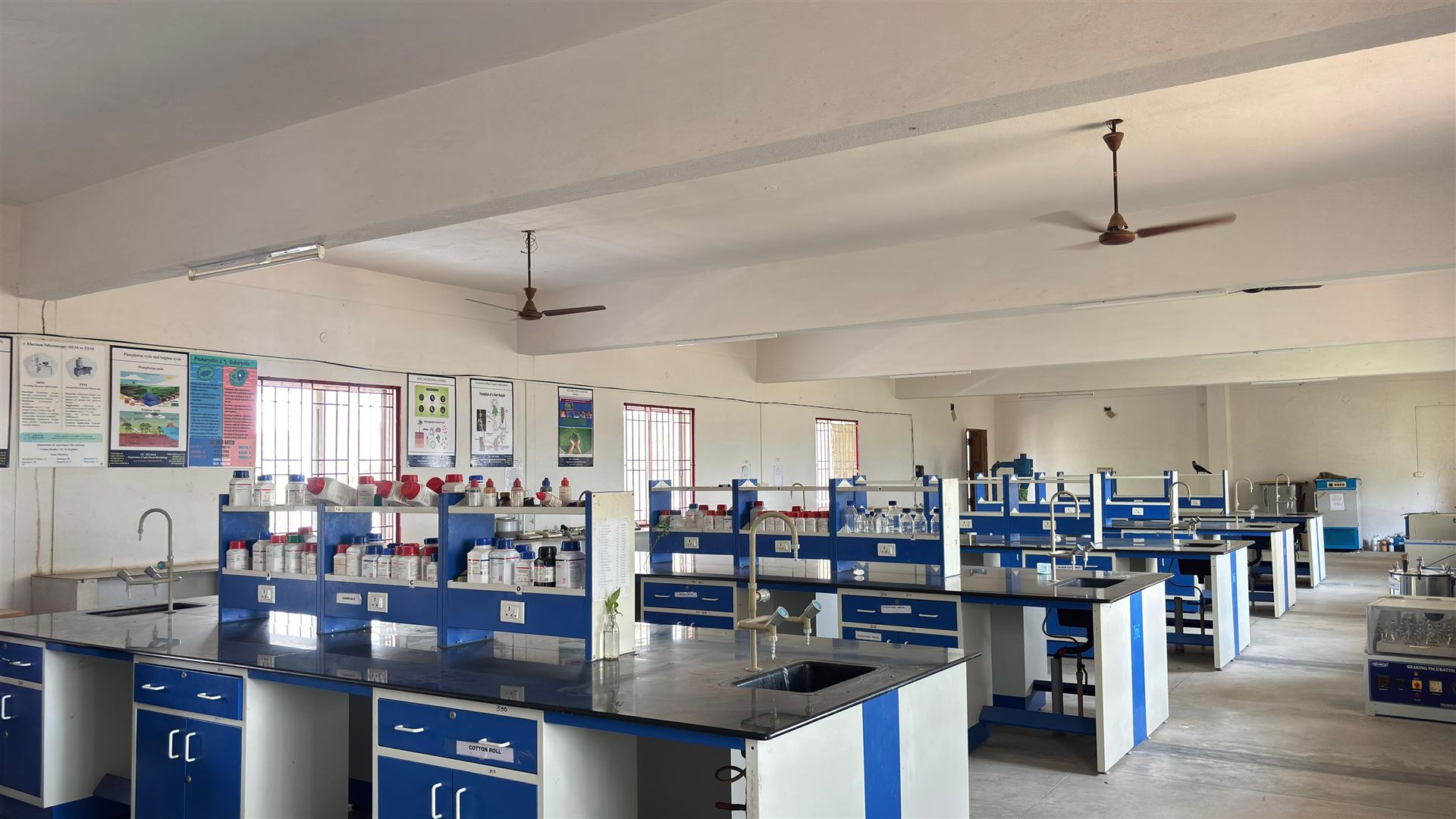
Agricultural Microbiology Lab
Specialized facility for microbial isolation, bio-fertilizer development, inoculant quality control, and exploring beneficial plant-microbe symbioses.
Faculty Details

Dr. M. Anbarasi
M.Sc. (Agri.), PhD
Assistant Professor Agronomy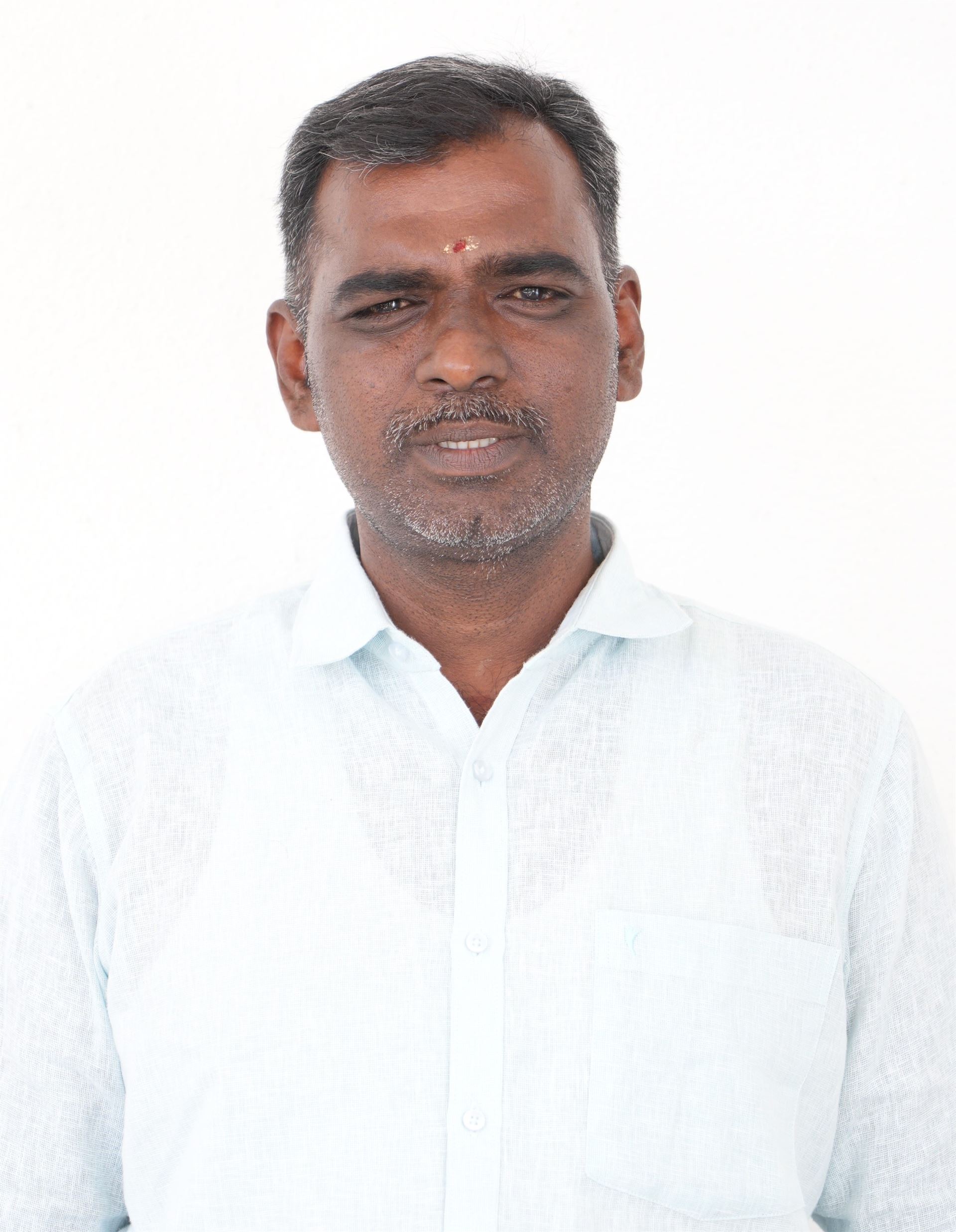
Mr. E. K. Srinivasan
M.Sc. (Agri.)
Assistant Professor & Academic Coordinator Agronomy
Ms. Prasanna Sreenidhi
M.Sc. (Agri.)
Assistant Professor & Deputy Academic Coordinator Agronomy
Dr. L. R. Sripriya
M.Sc., PhD
Associate Professor & Vice Principal Bio Chemistry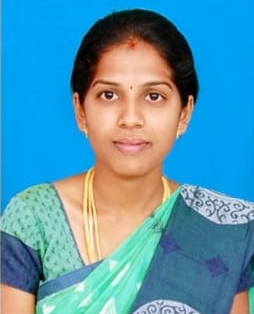
Mrs. S. Atchaya
M.Sc. (Agri.)
Assistant Professor Environmental Science
Ms. Merina Gracia
M.Sc. (Agri.)
Assistant Professor Soil Science & Agricultural Chemistry
Dr. M. Ranjitha
M.Sc. (Agri.), PhD
Assistant Professor & Warden Agricultural Microbiology
Dr. J. Ganeshamoorthy
M. Tech. (Agri. Eng.)
Assistant professor Agri. Engineering
Mr. G. Karthikeyan
M. Tech. (Poultry)
Assistant Professor Animal Husbandry (Visiting Faculty)