
Crop Protection
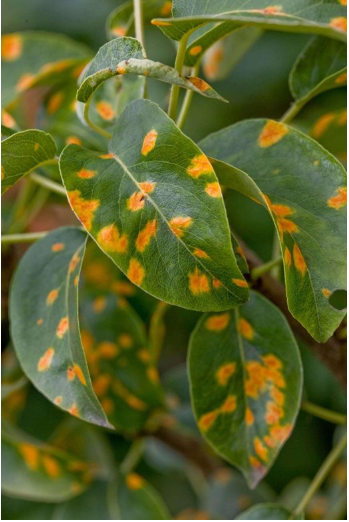
Crop protection products, commonly referred to as pesticides are either naturally occurring or man-made (synthetic) chemicals that help farmers by protecting crops from big losses to pests and diseases and raising productivity per hectare. With a growing global population that is projected to rise to around 10 billion by 2050, pesticides offer a means to meet the challenge of growing more food on less land. Pesticides are necessary and an adequate and reliable food supply cannot be guaranteed without the use of pesticides. crop protection products play a vital role in controlling the pests and diseases that infect, consume or damage crops thereby significantly reducing the quantity and quality of food production, while the benefits of agricultural innovation goes to farmers and consumers. Chemical crop protection products or “pesticides” help control insects, diseases, weeds, fungi and other undesirable pests. It is estimated that annual crop losses could double without the use of crop protection products.
Disciplines
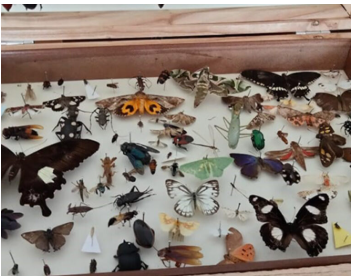
- Agricultural Entomology
- Plant Pathology
- Nematology
Laboratory Facilities
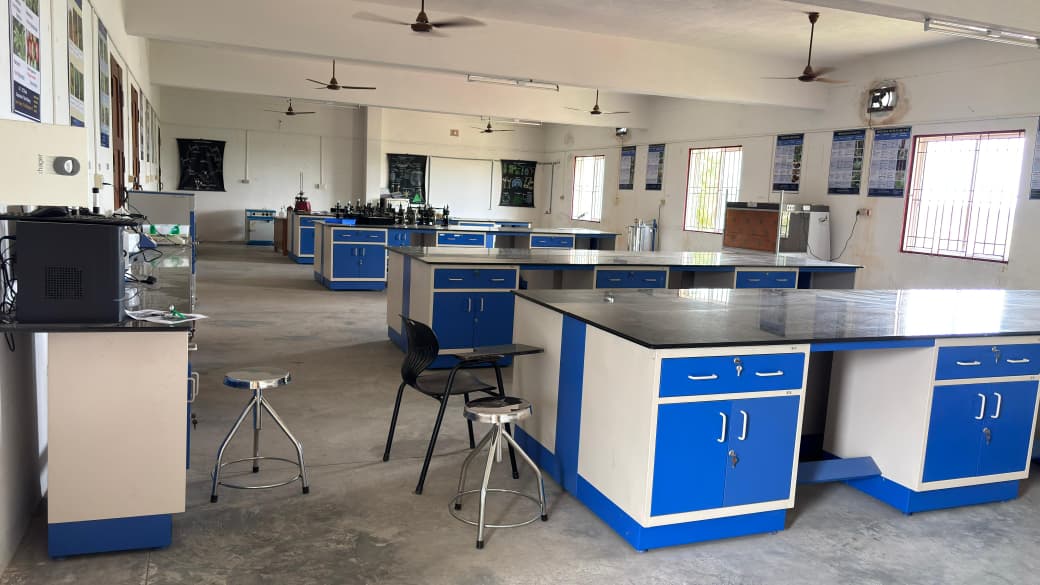
Plant Pathology Lab
Specialized diagnostic lab equipped for isolation, culture, and microscopic identification of plant-infecting fungal, bacterial, and viral pathogens, focusing on eco-friendly biological control formulations.
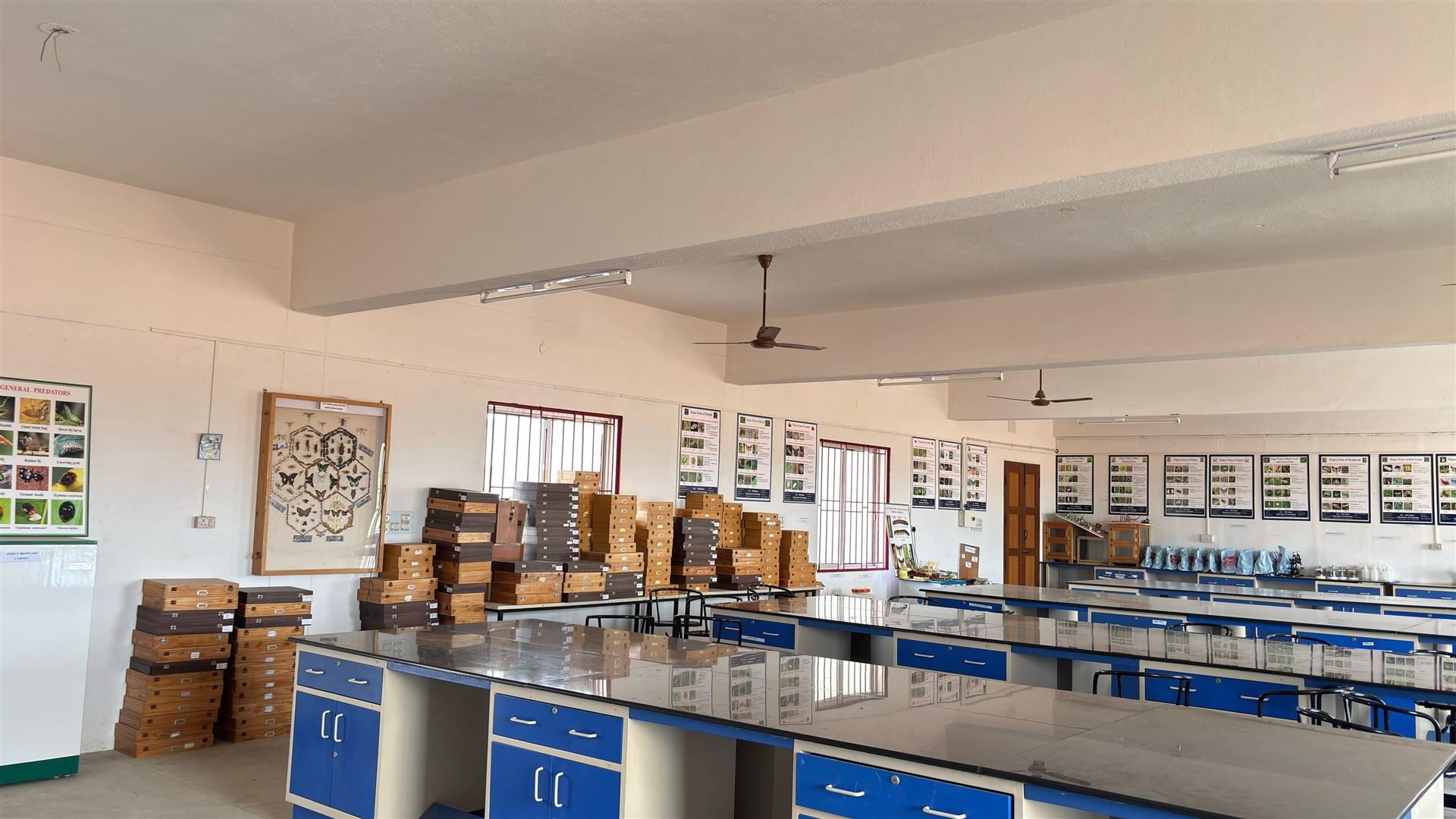
Agricultural Entomology Lab
State-of-the-art facility featuring advanced research microscopes, insect display showcases, and rearing setups for studying pest lifecycles, beneficial insects, and Integrated Pest Management (IPM).
Faculty Details

Mr. M Udhayakumar
M.Sc. (Agri.)
Assistant Professor & Warden Plant Pathology
Dr. Manisha
M.Sc. (Agri.), PhD
Assistant Professor Plant Pathology
Dr. S. Malarvannan
M.Sc. (Agri.), PhD
Associate Professor Entomology
Mrs. R. Hari Amirtha
M.Sc. (Agri.)
Assistant Professor Entomology